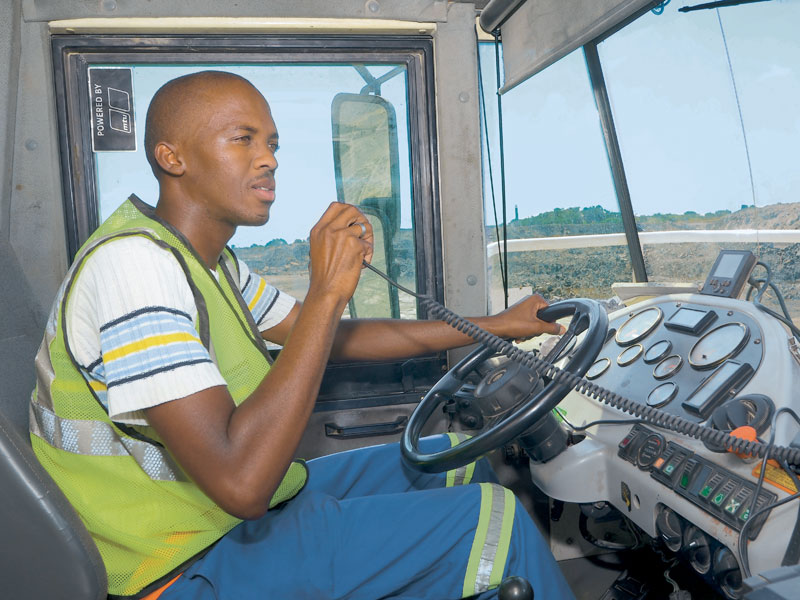
Join Our Team as a Code 10 Driver at Premier Wine Distribution Company in Brackenfell
Are you an enthusiastic and skilled driver with a Code 10 license seeking a rewarding opportunity? Our esteemed Wine Distribution Company in Brackenfell, Cape Town, is actively looking for a dedicated individual to join our dynamic team!
Key Responsibilities
- Punctuality: Arrive on time for work and contribute to our team’s efficiency.
- Stock Management: Perform precise deliveries and collections according to the set schedule.
- Accurate Packing: Ensure stock is accurately packed for deliveries.
- Documentation: Complete all daily paperwork accurately and on time.
- Customer Interaction: Maintain professional communication and excellent service.
- Handling Defective Stock: Manage returns and exchanges as per company policy.
- Compliance: Adhere to all Traffic Law Acts to ensure safe and lawful driving.
- Vehicle Management: Ensure daily maintenance and inspection of the company vehicle.
- Dress Code: Follow the company’s official dress code policy.
Requirements and Experience
- Education: Grade 12 qualification.
- Driving Experience: 3 to 5 years of professional driving experience.
- License and Certification: Code 10 / 14 license with a valid Professional Driving Permit (PDP).
- Familiarity with Systems: Experience with Transport Management Systems is an advantage.
How to Apply
If you’re ready to embark on a career with a leading wine distributor, submit your application today! Please note, if you do not receive feedback within two weeks of the application closing date, consider your application unsuccessful.
Become a vital part of our respected organization and make a difference in the wine distribution industry! Apply now and drive your career forward with us!
Comprehensive Guide to Driver Code 10/14 at Meridian Wine Distribution
Imagine a bustling Friday evening at your favorite restaurant. It’s packed, and when a customer orders their beloved wine, disaster strikes—the restaurant has run out of stock. Meridian Wine Distribution works tirelessly to avoid such scenarios, ensuring your favorite wine reaches your glass. At the heart of their efficient delivery system is Driver Code 10/14. But how does this code streamline operations? Let’s dive in.
Understanding Driver Code 10/14 at Meridian Wine Distribution
Driver codes serve as the secret language of transportation logistics, helping keep operations organized and seamless. The Driver Code 10/14 is a crucial part of this system. Here’s how it functions effectively:
Decoding the “Driver Code” Terminology
Think of a driver code as a logistical shorthand, conveying critical information swiftly. Whether indicating the type of delivery or highlighting shipment priority, driver codes minimize confusion and enhance efficiency. A well-defined code is essential for smooth operations.
Meridian’s Application of Code “10/14”
At Meridian Wine Distribution, “10/14” likely designates specific logistics tasks. Perhaps it prioritizes time-sensitive deliveries to restaurants or ensures special handling for rare wines. Understanding the precise significance of “10/14” at Meridian is vital to appreciating its impact on getting wine to the right place at the right time.
The Broader Logistics Context
Driver Code 10/14 is a cog in Meridian’s extensive logistics network. It clarifies roles across the supply chain—ensuring your wine travels efficiently from the warehouse to your table. The focus is always on maximizing efficiency.
The Impact of Driver Code 10/14 on Efficiency and Accuracy
How does this code impact operations at Meridian? Its influence spans various areas:
Streamlining Delivery Routes
Driver Code 10/14 guides drivers toward more efficient routes, saving both time and fuel. Even a 15% reduction in delivery time is a significant win, ensuring rapid wine delivery and enhancing customer satisfaction.
Reducing Errors and Miscommunication
Using a unified language reduces the likelihood of errors. Driver Code 10/14 ensures everyone—from drivers to dispatchers—is on the same page, minimizing mistakes and boosting customer happiness.
Enhancing Customer Satisfaction
Punctual and accurate deliveries are key to customer satisfaction. Driver Code 10/14 ensures that Meridian meets these standards, fostering customer loyalty and repeat business.
Maximize Efficiency with Driver Code 10/14: Best Practices for Wine Distribution
Are you looking to enhance your use of driver code 10/14? Discover the best strategies to optimize its utilization effectively.
Comprehensive Driver Training
Training is crucial. Drivers must fully understand driver code 10/14 and how to apply it effectively. Comprehensive training ensures smoother deliveries and maximizes the benefits of the code, leading to a seamless logistics operation.
Seamless Technology Integration
Integrating technology can significantly enhance driver code 10/14. Utilizing GPS systems simplifies route navigation, while mobile apps facilitate communication, creating a powerful synergy. This technology-code fusion speeds up wine delivery, enhancing overall efficiency.
In-Depth Data Analysis and Reporting
Analyzing data provides valuable insights. How frequently is the code used? Which routes benefit most? Data analysis uncovers opportunities for improvement, allowing for smarter decisions that optimize performance.
Real-World Applications of Driver Code 10/14
Let’s explore practical scenarios showcasing driver code 10/14 in action:
Scenario 1: Expedited Restaurant Delivery
Imagine a restaurant requiring a specific wine urgently. Meridian Wine Distribution employs driver code 10/14 to prioritize the order as urgent. The driver swiftly delivers the wine, satisfying the restaurant and its customers.
Scenario 2: Handling High-Value Wine Shipments
For transporting expensive wines, Meridian uses driver code 10/14 to ensure meticulous handling. With enhanced tracking, the wine arrives safely, reinforcing customer trust in Meridian’s capability to manage valuable items.
Scenario 3: Navigating Complex Urban Deliveries
Deliveries in bustling cities present challenges. Meridian’s use of driver code 10/14 helps drivers identify optimal routes, avoiding traffic congestion and ensuring timely wine delivery despite urban obstacles.
The Future of Driver Codes in Wine Distribution
What does the future hold for driver codes? The landscape is rapidly evolving with emerging technologies.
Emerging Technologies and Automation
AI and automation offer potential advancements in routing and warehouse operations, making driver codes more intelligent and efficient. Businesses must stay prepared for these transformative changes.
Adaptability in a Dynamic Industry
The wine industry is constantly evolving, with new technologies emerging regularly. Companies must embrace adaptability to thrive, positioning themselves for continued success.
Conclusion
Driver code 10/14 plays a crucial role in the logistics of Meridian Wine Distribution, ensuring wine reaches its destination efficiently. Mastering this code allows Meridian to enhance productivity and streamline operations. In the competitive wine industry, effective logistics management is key. Are you prepared to optimize your logistics processes? Explore how adopting similar strategies can elevate your business operations.